For parents caring for a medically fragile infant on supplemental oxygen, a baby monitor for infants on oxygen needs to do more than stream video—it should give you instant visibility on tubing position, skin color changes, chest movement, and equipment status. While no consumer camera replaces the pulse oximeter or apnea monitor prescribed by your child's medical team, the right camera-and-audio system layered alongside hospital-grade equipment dramatically reduces nighttime anxiety. In this 2026 guide we compare wellness-tracking smart monitors and reliable no-WiFi backup units that families of NICU graduates, preemies on home O2, and infants with chronic lung disease lean on every night.
What Medically Fragile Families Actually Need From a Nursery Camera
Top Picks
Babies who come home on supplemental oxygen, nasal cannulas, CPAP, or with tracheostomies have specific monitoring demands that ordinary nursery cameras were not designed for. Talk to any home-health nurse and the same checklist surfaces: razor-sharp low-light video so you can see the cannula prongs and watch for cyanosis around the lips, fast-responding two-way audio so you hear the first dislodged-tube stridor, a reliable second visual angle on the oxygen concentrator or tank dial, and—ideally—a wearable sensor that gives you a second opinion on heart rate or breathing motion when the room is too dark to see chest rise.
Just as important is what these monitors should not do. The American Academy of Pediatrics is clear that consumer pulse oximeters and breathing trackers are wellness devices, not medical alarms. If your child was sent home with a hospital-issued Masimo, Nonin, or Nellcor oximeter, that is the device clinicians will respond to. A consumer baby monitor for infants on oxygen is a layer of reassurance on top of—never a replacement for—the prescribed equipment. With that framing in mind, the picks below were chosen for video quality, audio clarity, redundancy, and the specific ways each integrates (or stays cleanly out of the way of) home medical gear.
Quick Comparison: 2026 Top Monitors for Oxygen-Dependent Infants
| Monitor | Video | Wellness Tracking | WiFi? | Best For |
|---|---|---|---|---|
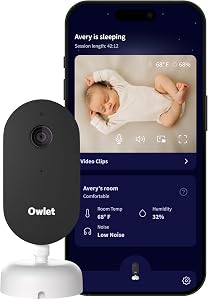
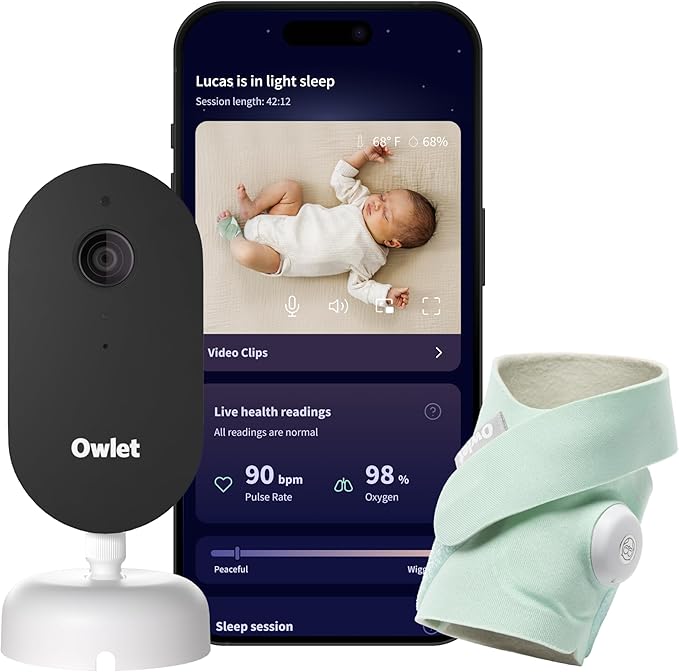
| Owlet Dream Duo (Gen 3) | 2K HD | Sock tracks O2 trends & heart rate | Yes | Wellness trend data alongside medical oximeter |
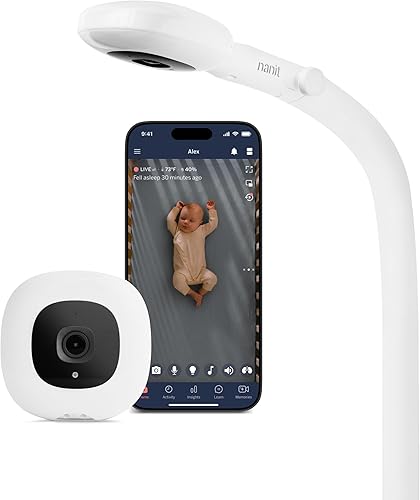
| Nanit Pro 1080p | 1080p HD overhead | Breathing-motion via Swaddle/Band | Yes | Overhead chest-rise view, sleep analytics |
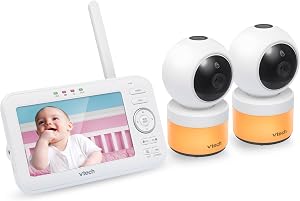
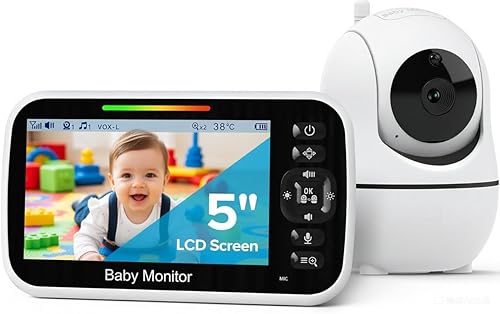
| HelloBaby No-WiFi 5" | 720p PTZ | None | No | Hack-proof primary or hospital-room use |
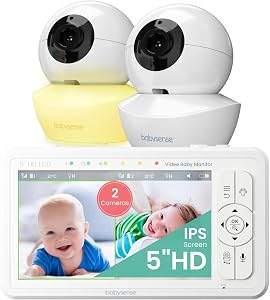
| HelloBaby 2-Camera 5" | 720p PTZ | None | No | Watching baby AND the oxygen concentrator |
| GoodBaby No-WiFi PTZ | 720p PTZ | None | No | Budget backup unit / travel bag |
Top Picks for a Baby Monitor for Infants on Oxygen in 2026
1. Owlet Dream Duo (Gen 3) — Best Overall Wellness Pairing
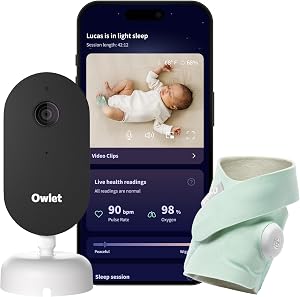
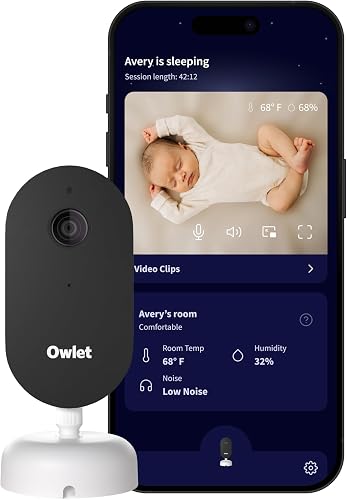
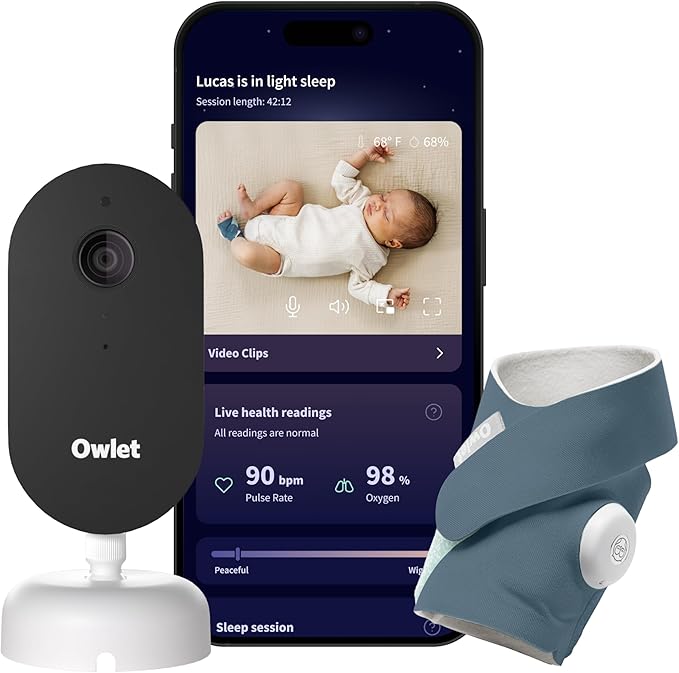
The Owlet Dream Duo combines a 2K HD camera with the Dream Sock, the most recognized consumer wearable for tracking pulse rate and oxygen saturation trends in infants. For families whose baby is weaning off home oxygen, the Sock's overnight trend graphs in the Owlet app are a useful conversation tool at pulmonology follow-ups—you can see, at a glance, whether average overnight readings looked steady or wandered. The camera side is genuinely excellent: crisp 2K nighttime image, wide field of view, and a sturdy floor stand that keeps the lens far enough back to capture both baby and a portable concentrator in the same frame. Just remember: the Sock is FDA-cleared as a wellness device for healthy infants and is not a substitute for the hospital pulse ox your care team prescribed. Use it as a second data layer, not the primary alarm. Check the Owlet Dream Duo on Amazon.
2. Nanit Pro Smart Baby Monitor with Floor Stand — Best Overhead View
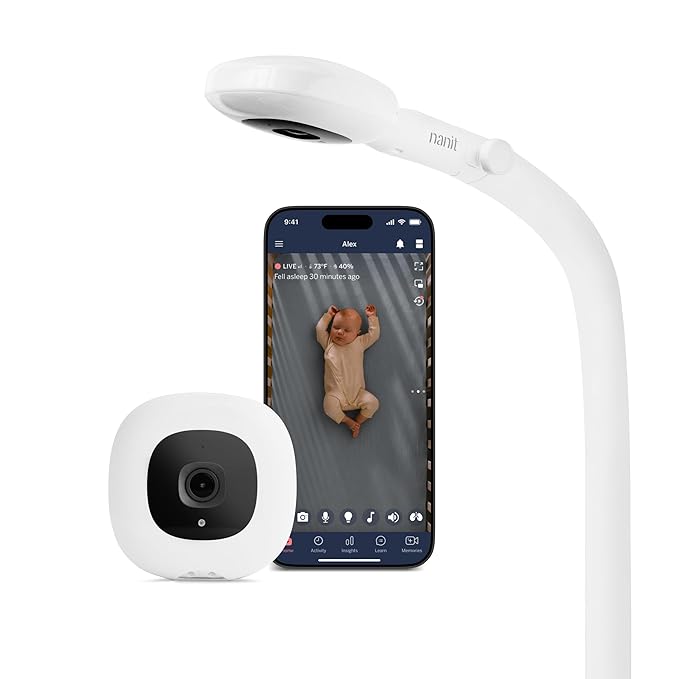
The Nanit Pro's signature overhead angle is uniquely valuable when your baby sleeps with a nasal cannula. From directly above, you can clearly see whether the prongs are still seated, whether the tubing is looped under the chin without tension, and whether the head is turned in a way that might kink the line. Paired with the optional Nanit Breathing Band or Breathing Wear (sold separately), the camera analyzes chest motion for breathing patterns—again, a wellness signal, not a clinical alarm. The 1080p sensor handles low light gracefully, two-way audio is crisp, and the floor stand keeps the camera off the crib rail entirely, which is helpful if your nursery is already cluttered with concentrator hoses, suction equipment, or pulse-ox cables. See the Nanit Pro on Amazon.
3. HelloBaby No-WiFi 5-inch Monitor — Best Hack-Proof Primary
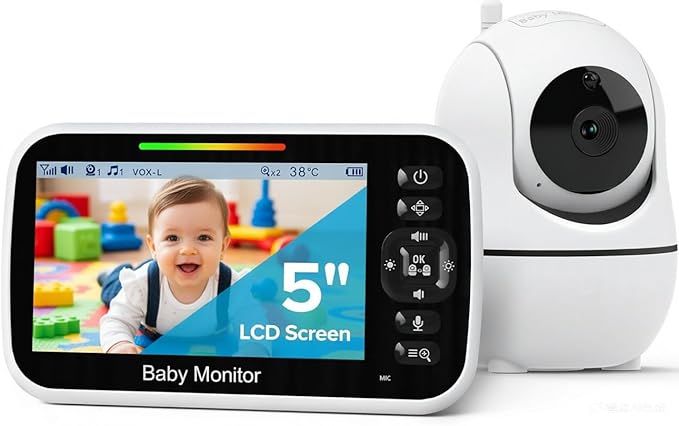
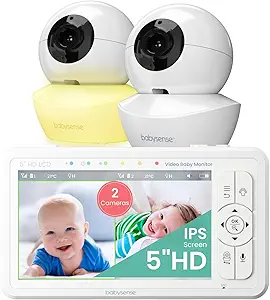
Some medically fragile families deliberately avoid cloud-connected cameras. If you have already been in the hospital for weeks, the last thing you want is another app, another login, or a router outage taking your nursery camera offline at 3 a.m. The HelloBaby HB66 uses a closed-loop 2.4 GHz radio with a dedicated 5-inch parent display, no app, no account, and no risk of remote intrusion. Battery life on the parent unit runs roughly 30 hours in audio-only mode, which is excellent insurance during storm-season power blips. PTZ control lets you sweep from baby to the oxygen tank gauge without leaving the couch. It is the unit many home-health nurses recommend as the dependable, low-drama default. View the HelloBaby No-WiFi monitor on Amazon.
4. HelloBaby 5-inch Monitor with 2 Cameras — Best for Watching Baby AND Equipment
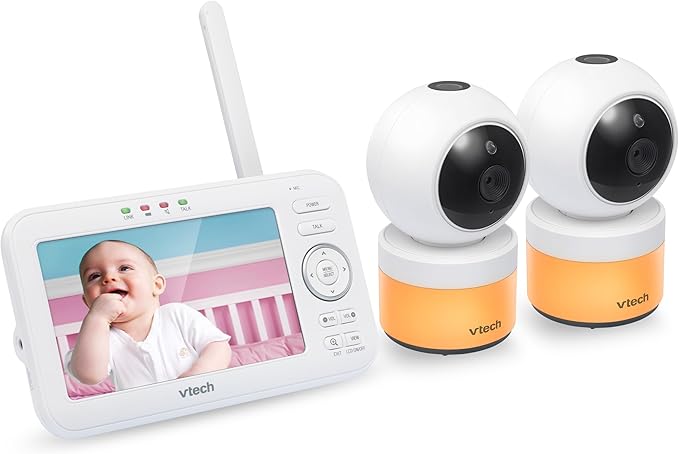
Home oxygen often means two things to watch: the baby, and the concentrator or tank. The two-camera HelloBaby kit lets you dedicate one lens to the crib (zoomed in on the face and chest) and the second lens to the concentrator's display, flow meter, and tubing junction. Split-screen mode on the parent unit shows both feeds at once, so a glance tells you whether the prongs are still in place and whether the concentrator is still showing the prescribed liters-per-minute. No WiFi, no subscription, and a 30-hour battery on the handheld display. Check the HelloBaby 2-camera kit on Amazon.
5. GoodBaby No-WiFi PTZ Monitor — Best Budget Backup
Every medically fragile household needs a backup monitor. Equipment fails, batteries die, and you do not want to discover a dead camera at midnight. The GoodBaby No-WiFi PTZ unit is an inexpensive, no-frills second monitor that lives in the diaper bag, the grandparents' guest room, or as a swap-in unit if your primary camera goes down. Pan/tilt/zoom is smooth, infrared night vision is solid, and the closed-radio link means no router dependency at hotels or rehab facilities. See the GoodBaby monitor on Amazon.
Setup Tips When the Nursery Has Oxygen Equipment
Placement is half the battle. Position the camera so the lens captures the baby's full face and the cannula tubing path—not just the chest. From an overhead or 45-degree angle you can see if the tubing has slid out of the nares before any desaturation alarm fires. Keep the camera, charger, and any wearable base station at least three feet from the oxygen concentrator's intake; the manufacturer's manuals universally warn against blocking airflow. Route the camera's power cable on the opposite side of the crib from the oxygen tubing so there is no chance of a midnight tangle.
Light matters more than parents expect. Oxygen tubing is translucent, and in dim infrared it can disappear against pale bedding. Most NICU follow-up nurses recommend a low-level nightlight in the corner of the room not for the baby's sake but so the camera's color sensor (not just IR) can pick up the bluish tint of cyanosis if it appears. A pure-infrared image strips color entirely, which is exactly the cue you do not want stripped. For more on nursery lighting that complements a monitor, see our guide to best nursery night lights for preemies.
What This Monitor Does Not Replace
Be direct with yourself about this. A consumer camera, even a 2K one with a wellness sock, is not an apnea monitor, not a pulse oximeter cleared for clinical decision-making, and not a substitute for the home-health nursing visits or follow-up appointments scheduled by your pulmonologist. If your discharge paperwork listed a Masimo Rad-G, an Owlet BabySat (the prescription-only medical version), or a specific brand of apnea monitor, that is the device that takes priority. The consumer baby monitor is for your eyes—so you can see the baby quickly when the prescribed medical alarm tells you to look. Our companion guide on best pulse oximeters for infants at home covers the medical-grade side of the equation.
It is also worth flagging that the Owlet Dream Sock and Nanit Breathing Band are wellness products. They are excellent for trend awareness and parental peace of mind, but families have reported both false alarms and false reassurance. Discuss with your child's pulmonologist before integrating any wearable into your home routine, especially if your baby is still in an active weaning protocol. For sibling-related nursery setup, our piece on monitoring twins with different sleep schedules may also be useful if you have a healthy sibling sharing the room.
Frequently Asked Questions
Can a regular baby monitor track oxygen saturation for a baby on supplemental O2?
No. Standard nursery cameras only record video and audio. Only the Owlet Dream Sock (a wellness wearable) provides consumer-grade oxygen-saturation trend data, and even it is not FDA-cleared as a medical alarm. If your child was discharged on home oxygen, the hospital pulse oximeter they sent home is the device your care team will act on—the camera is for your visual confirmation when that medical alarm sounds.
Is a no-WiFi monitor safer for a baby with a tracheostomy or home oxygen?
Many medically fragile families prefer no-WiFi units like the HelloBaby HB66 because they cannot be hacked remotely, do not depend on your router staying online, and continue working through internet outages. They also have no monthly subscription. The trade-off is no smartphone access, so a parent has to be within the parent unit's roughly 900-foot range. Most home-health nurses recommend a no-WiFi primary plus a WiFi camera as a secondary remote-check option.
How do I keep the oxygen cannula tubing from being kinked at night?
Camera placement helps you see kinks fast, but prevention matters more. Use the tubing clip your home-health supplier provided to anchor the line to the baby's sleeper between the shoulder blades, keep at least 18 inches of slack inside the crib, and route the rest of the tubing along the wall toward the concentrator so it cannot wrap around a limb. An overhead-mounted camera like the Nanit Pro shows tubing slack at a glance.
Will the Owlet Dream Sock interfere with my hospital-issued pulse oximeter?
The Sock and a hospital oximeter are usually worn on different feet, so they do not physically conflict. However, you may see slight discrepancies between the two readings because they use different algorithms and averaging windows. Always treat the hospital-issued device as the source of truth and use the Sock for trend awareness only. Bring both sets of overnight data to your pulmonology follow-up so the team can interpret patterns.
What is the best monitor for a NICU graduate coming home on low-flow oxygen?
For most NICU graduates on 1/8 to 1/2 liter low-flow nasal cannula, the Owlet Dream Duo plus a no-WiFi HelloBaby backup is the combination families report relying on most. The Owlet camera plus Sock gives wellness trend data and 2K video, while the HelloBaby unit keeps watching during router outages or when you travel to grandparents' for the weekend.
Can I mount one camera on the baby and a second on the oxygen concentrator?
Yes—the two-camera HelloBaby kit is built for exactly that scenario. Many families put camera one over the crib aimed at the baby's face and cannula, and camera two on a shelf pointing at the concentrator's LCD so they can read the flow rate and alarm status without leaving the bedroom. Split-screen view on the parent unit shows both feeds at once.
Do I need to tell my home-health nursing agency which monitor I bought?
Yes, let them know. Visiting nurses often have strong opinions based on what has worked for other families on their caseload, and they may want to test the camera's audio quality during a home visit. Some agencies also document monitoring equipment in the chart so that on-call nurses know what families have available if you call after hours. It is a quick conversation that prevents confusion later.
Key Takeaways
- Choosing the right baby monitor for infants on oxygen means matching capacity and output ports to your actual devices
- Always check actual watt-hours (Wh), not just watts — runtime depends on Wh, not peak output
- Also covers: monitor for medically fragile baby
- Also covers: oxygen tank nursery monitor
- Also covers: trach baby monitor at home
- Compare price-per-Wh across models to find the best value for your budget