For the owlet dream sock vs babysense sleep regression question at four months, here is the short answer: the Owlet Dream Sock is the better fit for parents who want continuous oxygen and heart-rate readings during chaotic night wakings, while a Babysense under-mattress sensor pad suits families who refuse to put anything on baby's body and prefer a fixed-position breathing monitor. Neither device cures the 4-month regression (nothing does), but each handles the symptoms differently. The Dream Sock alerts on physiological thresholds; Babysense alerts when crib movement stops for 20 seconds. Below we break down which one survives the regression with fewer false alarms and less parental panic.
Why the 4-Month Sleep Regression Breaks Most Monitors
Top Picks
Around 16 weeks, your baby's sleep architecture permanently rewires. They drop from two sleep stages into the adult four-stage cycle, meaning they now surface into light sleep every 45 minutes. They wiggle, grunt, half-wake, and reposition constantly. This is the exact behavior that triggers false alarms on motion-based monitors and physiological alerts on wearables. The regression itself isn't dangerous, but the sleep deprivation it causes parents is the real problem the monitor needs to solve, not amplify.
If you're new to wearable vs camera-only setups, our guide on best baby monitors for the 4-month sleep regression covers the broader landscape. This article focuses specifically on the Owlet vs Babysense decision.
Owlet Dream Sock: How It Behaves During Regression
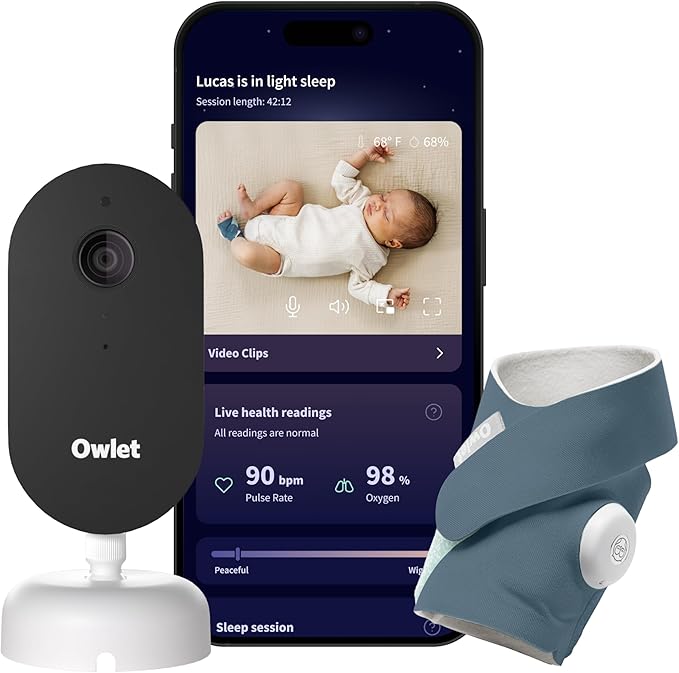
The Owlet Dream Sock is a fabric boot with a pulse-ox sensor that reads heart rate, oxygen saturation, and sleep state. It does not alert on movement, which is its key advantage during the 4-month regression. When your baby flails, rolls, or grunts at 2 a.m., the sock keeps reading pulse and SpO2 silently. It only triggers a red notification when readings fall outside a preset healthy range for a sustained period.
During regression, this means fewer wake-ups from the monitor itself. Parents typically report that the Dream Sock's biggest regression-era benefit is the "sleep quality" graph in the app, which finally gives a numerical answer to "how badly did she actually sleep last night?" The sock fits 0-18 months, with three sizes included in the box, so the four-month outgrowth that hits other socks isn't an issue here.
The trade-off: the sock can slip off if your baby kicks aggressively (very common during regression), which triggers a yellow "sock off" notification. Most parents fix this by going up one sock size or layering a thin cotton sock underneath for grip.
Owlet Dream Duo (Gen 3) — Best Wearable + Camera Combo for Regression
If you want both the sock data and a 2K camera in one app, the Dream Duo bundles the Dream Sock with the Owlet Cam 2. During the 4-month regression this matters because you can correlate a heart-rate spike with what you see on camera — was she rolling, dreaming, or genuinely waking? The unified Owlet app shows live video, oxygen, pulse, and sleep stages on one screen, which cuts the "three-app shuffle" parents do at 3 a.m.
Check the Owlet Dream Duo (Gen 3) on Amazon
Babysense: How It Behaves During Regression
Babysense's flagship monitoring product is a pair of sensor pads that sit under the crib mattress and detect every micro-movement, including breathing. If movement stops for 20 seconds OR drops below 10 movements per minute, an alarm sounds on the parent unit. There is no wearable, no skin contact, and no Wi-Fi required on the original Babysense 7 model.
During the 4-month regression, Babysense's strength is that there's nothing to fall off. Your baby can roll, flip, and kick all night and the pad keeps reading because it's under the mattress, not on the body. The weakness shows up if your baby learns to scoot to the corner of the crib (some 4-month-olds do this once they discover rolling) — they can physically move off the sensor zone, triggering a false alarm.
The other regression-era issue is that Babysense gives binary alerts (movement or no movement). It can't tell you that your baby's oxygen dipped, that her heart rate is elevated from fighting sleep, or that she's in light vs deep sleep. For parents who only want a "breathing yes/no" safety net and don't care about sleep analytics, this simplicity is the feature, not the bug.
Head-to-Head: Owlet Dream Sock vs Babysense Sleep Regression Survival
| Factor | Owlet Dream Sock | Babysense Sensor Pad |
|---|---|---|
| What it tracks | Heart rate, SpO2, sleep stages | Crib movement (proxy for breathing) |
| False alarms during regression | Low — sock-off notices, not panic alerts | Moderate — if baby scoots off pad |
| Sleep analytics | Detailed in-app graphs | None |
| Wi-Fi required | Yes | No (classic model) |
| Skin contact | Yes (foot) | No |
| Works once baby rolls | Yes, no adjustment needed | Sometimes — depends on crib position |
| Includes camera | Sock only; Duo bundle adds 2K cam | Separate purchase |
| Best for | Data-driven parents, NICU graduates | Skin-sensitive babies, off-grid families |
The Regression-Specific Verdict
If your 4-month regression problem is "I can't tell if she's just stirring or actually waking," the Owlet Dream Sock wins because the sleep-stage data gives you that exact answer. You stop running to the crib for every grunt because the app shows she's still in light sleep, predicted to self-settle.
If your problem is "I just need to know she's breathing so I can sleep at all," Babysense wins because it requires zero setup interaction with the baby and zero phone-checking.
If your problem is "I want to see her," neither of these alone is enough — you need to pair with a camera, which is where the bundles and alternatives below come in.
Nanit Pro Smart Baby Monitor — Best Camera Pairing for Either Device
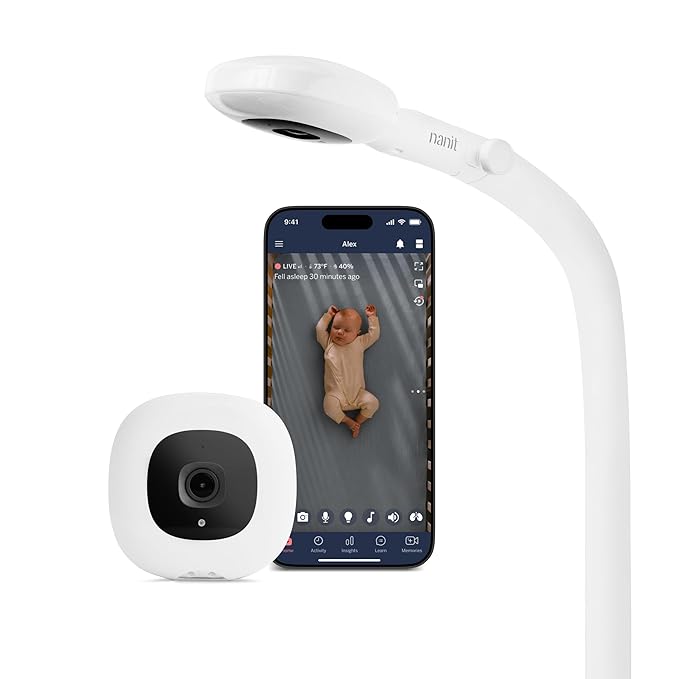
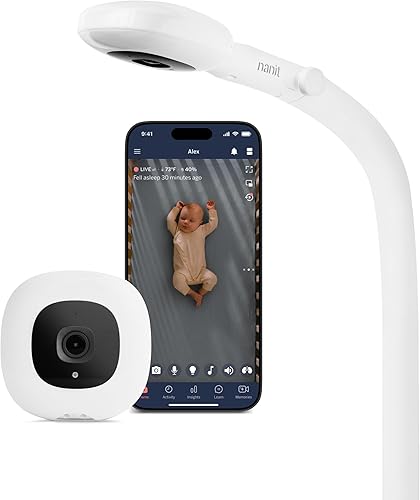
Whether you go Owlet or Babysense, neither shows you video. The Nanit Pro overhead camera was built specifically for sleep-tracking parents — it sees the full crib from above (critical once your 4-month-old starts rolling), records breathing motion via computer vision, and produces a nightly sleep report. Many regression-era parents run Nanit Pro alongside an Owlet sock so they have visual confirmation of every alert without buying into one ecosystem's bundle.
HelloBaby No-WiFi Monitor — Best Offline Backup During Regression
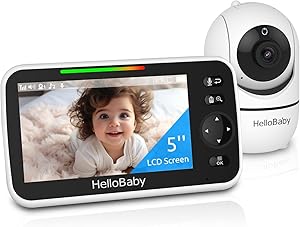
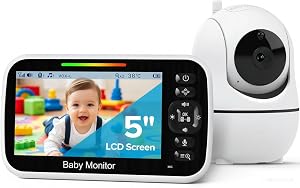
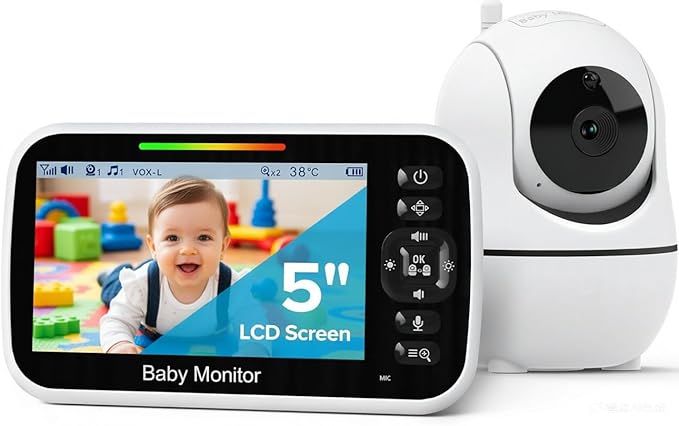
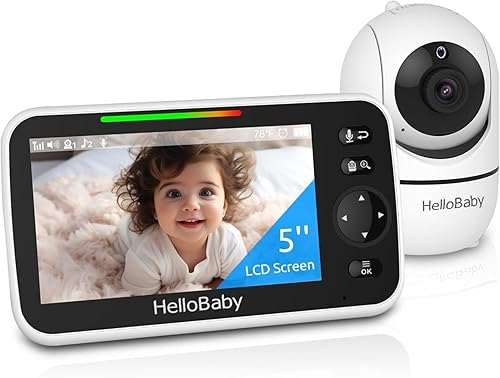
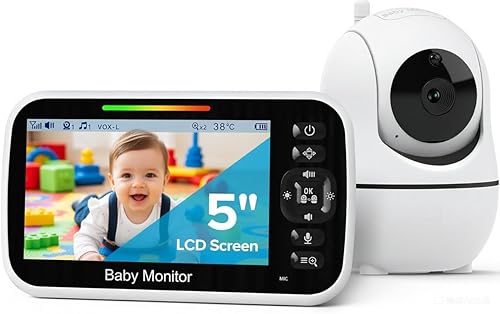
App-based monitors (Owlet, Nanit) crash, update, or lose Wi-Fi at the worst times — usually 4 a.m. during a regression scream-fest. A no-Wi-Fi monitor with its own dedicated parent screen is the backup every smart-tech household quietly needs. The HelloBaby 5-inch model has a 30-hour battery, pan-tilt-zoom, and zero account setup. Pair it with a Dream Sock and you've solved both the "is she breathing fine" and "can I see her without unlocking my phone" problems.
Check the HelloBaby No-WiFi Monitor on Amazon
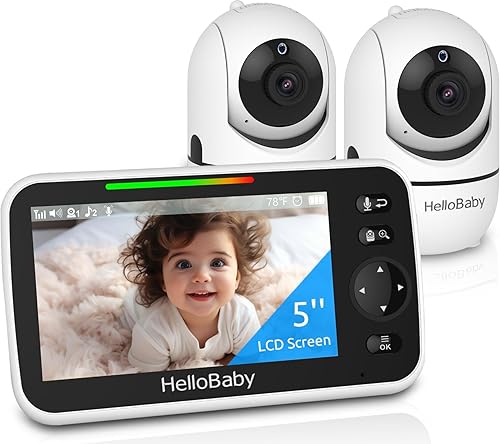
HelloBaby 5-inch with 2 Cameras — Best for Siblings Sharing the Regression
If your 4-month-old shares a nursery with a toddler (or your older one is in the room next door also waking from sympathetic crying), a dual-camera setup beats two single monitors. One parent screen, two crib views, no Wi-Fi to drop.
Check the HelloBaby 2-Camera Bundle on Amazon
GoodBaby No-WiFi PTZ Monitor — Budget Pick to Pair With a Sock
Owlet sock owners often want a cheap, reliable video feed without adding another Wi-Fi-dependent app. The GoodBaby PTZ unit pans, tilts, and zooms, has a sub-$80 typical price, and runs offline. It's the "just show me her face" companion to a wearable.
Check the GoodBaby Monitor on Amazon
Setup Tips That Reduce Regression-Era False Alarms
Regardless of which device you choose, three setup decisions cut night-time alarms by 50% or more during the 4-month regression:
- Size up the Owlet sock if your baby is kicking it off. The fabric needs to grip the upper calf — a sock that's barely fitting will migrate during regression flails.
- Center the Babysense pad and use a sleep sack to discourage scooting. If your baby can move 8 inches sideways, she can leave the sensor zone.
- Mute non-critical app alerts on Owlet. "Sock off" doesn't need to scream at 3 a.m. — let only red (true-physiological) alerts wake you.
For a deeper setup walkthrough see our Owlet Dream Sock setup guide and Babysense vs Snuza comparison.
Frequently Asked Questions
Will the Owlet Dream Sock wake my baby up during the 4-month sleep regression?
No. The sock is silent on the baby's end — alerts go to your phone and the base station. It does not vibrate, buzz, or warm noticeably. The only way it would wake the baby is if you reach into the crib to readjust it, so size it correctly the first time and leave it alone.
Does Babysense work once my baby starts rolling at 4 months?
Yes, with one caveat. The under-mattress pad reads movement from anywhere on the mattress, so rolling itself isn't a problem. The issue is if your baby scoots into a corner of the crib that's outside the pad's sensor zone. Position the pad in the center, and consider buying the second pad if you have a larger crib for full coverage.
Can I use Owlet Dream Sock and Babysense at the same time?
Yes, and some regression-anxious parents do exactly this for the first two weeks of the regression before deciding which one to keep. There's no interference between them — one reads the foot, one reads the mattress. The only downside is double the alerts, which can actually worsen sleep deprivation.
Which monitor is better for tracking how the 4-month regression progresses?
The Owlet Dream Sock, hands down. Its sleep-stage tracking and nightly summary graphs show you, week by week, whether wake-ups are shortening and whether deep-sleep time is recovering. Babysense gives you peace of mind during the night but zero data the next morning.
Do pediatricians recommend wearable monitors during the 4-month regression?
The AAP does not officially endorse consumer pulse-ox wearables as medical devices. They are wellness products. That said, many pediatricians acknowledge that for sleep-anxious parents, a wearable that helps the parent sleep is a net positive for the family. Discuss with your pediatrician if your baby has any underlying respiratory or cardiac concerns.
What's the most common Owlet Dream Sock complaint during regression?
Sock-off notifications. Babies who roll and kick a lot in the 4-month window dislodge the sock more often. The fix is almost always a size adjustment — most parents are using a size too small because they bought based on age, not weight. The sock should fit snug around the upper foot/lower calf, not the toes.
Will either monitor help my baby sleep through the regression faster?
No monitor will. The 4-month regression is a permanent developmental change, not a phase you can wait out in two days. What monitors do is help you respond appropriately — not running in for every grunt (Owlet sleep-stage data) or sleeping more soundly between feeds (Babysense breathing reassurance). Both can shorten the parental component of the regression even if they can't shorten the baby's part.
Final Word
Settling the owlet dream sock vs babysense sleep regression debate comes down to one question: do you want data or do you want simplicity? Data-hungry parents who want to understand the regression should pick the Owlet Dream Sock (or the Dream Duo bundle for camera + sock in one app). Parents who want a quiet, offline, screen-free safety net should pick Babysense and pair it with a no-Wi-Fi camera like HelloBaby or GoodBaby. Either way, choose before week 14 — installing a new monitor in the middle of the regression makes everything harder.
Key Takeaways
- Choosing the right owlet dream sock vs babysense sleep regression means matching capacity and output ports to your actual devices
- Always check actual watt-hours (Wh), not just watts — runtime depends on Wh, not peak output
- Also covers: owlet vs babysense 4 month regression
- Also covers: best monitor 4 month sleep regression
- Also covers: babysense 7 vs owlet dream sock
- Compare price-per-Wh across models to find the best value for your budget